
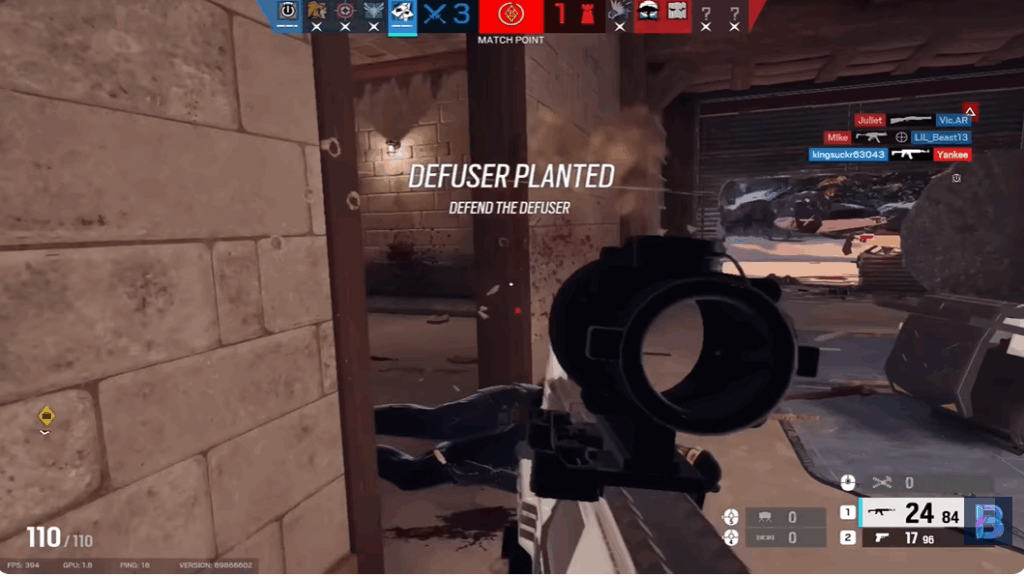
Rainbow Six Siege has evolved dramatically since its release, transforming from a tactical shooter into one of esports’ most complex competitive environments. The 2026 meta brings fresh challenges with Year 10 Season 3 reshaping how teams approach both attack and defense. Let’s break down what’s working now and how players can elevate their gameplay to professional levels.
The Current State of Rainbow Six Siege Competitive Play
The professional scene has shifted dramatically from fraggers dominating to utility-focused gameplay. Top teams now prioritize precise utility deployment and coordinated executions rather than relying solely on mechanical skill. This change follows defenders losing access to magnifying scopes on automatic weapons, forcing adaptation across all ranks.
Map control has become increasingly crucial with the introduction of operators like Denari, whose T.R.I.P. Connector technology creates new defensive setups that weren’t possible before. Learning these new dynamics separates casual players from those climbing the ranks effectively.
Essential Operator Synergies in Current Meta
Understanding operator combinations gives teams significant advantages in both ranked and competitive play. The most effective pairings we’re seeing include:
- Hibana + Thatcher: This classic duo remains effective for hard breaching even after recent adjustments to Thatcher’s EMP grenades.
- Azami + Jäger: Creating bulletproof angles while protecting from projectiles has become a staple defensive strategy.
Many competitive players struggle with consistency in their performances. Some days your aim feels perfect, while other days nothing connects. This inconsistency frustrates players across all skill levels. Some competitors have begun to use the R6 cheat from Battlelog during practice sessions to understand optimal positioning and angles, though this remains controversial within the community and should never be used in actual competitive play.
Map-Specific Strategies That Win Rounds
Each map requires unique approaches that have evolved significantly in 2025. The reworked Club House, for example, now features additional rotation options that completely change how defenders distribute resources.
On Border, the meta has shifted toward aggressive roaming strategies rather than the anchor-heavy setups that dominated previous seasons. Teams effectively using vertical play on this map maintain significantly higher win rates according to recent tournament data.
Border-Specific Tactics
When attacking Armory/Archives on Border, the most successful teams are deploying a split push through Office and East Stairs simultaneously. This approach forces defenders to divide their attention and often results in quick site captures when executed with proper droning.
For defenders, establishing extended holds toward Customs has proven extremely effective against standard attacking compositions. Setting up crossfires between Archives and the hallway creates positions that attackers struggle to clear efficiently.
Improving Decision Making Under Pressure
The difference between good players and great players often comes down to decision-making in clutch situations. Developing this skill requires understanding the numerous variables influencing each round:
- Time management: Knowing when to push versus when to hold positions
- Resource allocation: Using utility strategically rather than depleting it early
Watching professional VODs with commentary provides valuable insights into high-level decision-making processes. Study how pros handle 1v2 or 1v3 situations, noting their prioritization of information gathering before committing to actions.
Advanced Droning Techniques
Drone economy has become increasingly important in high-level play. The best teams preserve their drones throughout the round, using them as information-gathering tools rather than sacrificing them early.
When attacking, establish a system where support players handle primary droning while entry fraggers preserve their drones for late-round situations. This approach maintains information advantage throughout the entire round, significantly increasing attack success rates.
Drone Placement Innovation
Players have discovered new drone spots that provide incredible value with minimal risk. Placing drones in elevated positions where defenders rarely check creates persistent information streams that can inform rotations and site executions without alerting defenders.
These advanced techniques have become standard at higher ranks, making information denial an essential defensive strategy. Jäger and Mute placements should prioritize denying common drone paths rather than simply protecting anchors.
The Technical Side: Settings Optimization
Even minor technical adjustments can dramatically impact performance in Siege. Professional players typically use:
Display settings: Low settings with specific exceptions for texture quality and LOD to maintain visual clarity while maximizing frame rates. This optimization allows for consistent performance during intense firefights where frame drops could mean defeat.
Audio configuration: Night Mode audio provides the clearest sound profile for identifying subtle movement cues. Combined with quality headphones, this setting allows players to precisely locate enemies through walls based on the smallest audio cues.
Training Regimens of Professional Players
Casual players often wonder how pros maintain their mechanical skill and game sense. The training routine of most professional players includes:
Aim training: 30-45 minutes daily focusing on micro-adjustments and flicking to common head positions. This consistent practice explains why pros seem to land headshots effortlessly.
VOD reviews: Analyzing both personal gameplay and professional matches to identify positioning errors and missed opportunities. Self-criticism remains one of the most valuable improvement tools available.
The Mental Game: Psychology of Winning
Psychological resilience separates consistent performers from those who crumble under pressure. Top players develop routines that help them maintain focus during high-pressure situations:
Taking short breaks between matches prevents mental fatigue that leads to poor decision-making. Even brief 2-minute breaks to reset mentally can prevent tilting after difficult rounds.
Maintaining positive communication even during losing streaks prevents team morale collapse. The most successful teams emphasize constructive feedback rather than blame, creating environments where players feel comfortable taking necessary risks.
Conclusion: The Path Forward
Rainbow Six Siege in 2026 rewards strategic depth and teamwork more than ever before. Solo mechanical skill remains important but cannot compensate for poor utility usage or lack of coordination. As the meta continues evolving, players who adapt quickest gain significant competitive advantages.
Whether you’re grinding ranked or competing in tournaments, focusing on these aspects of gameplay will yield consistent improvement. The most successful players combine mechanical skill with deep strategic understanding, creating versatile competitors who can adapt to any situation.